Org Type: Ag, Food & Natural Capital
Redefining Value through the SIR Farm Model
A Partnership to Benefit 180,000 Farmers
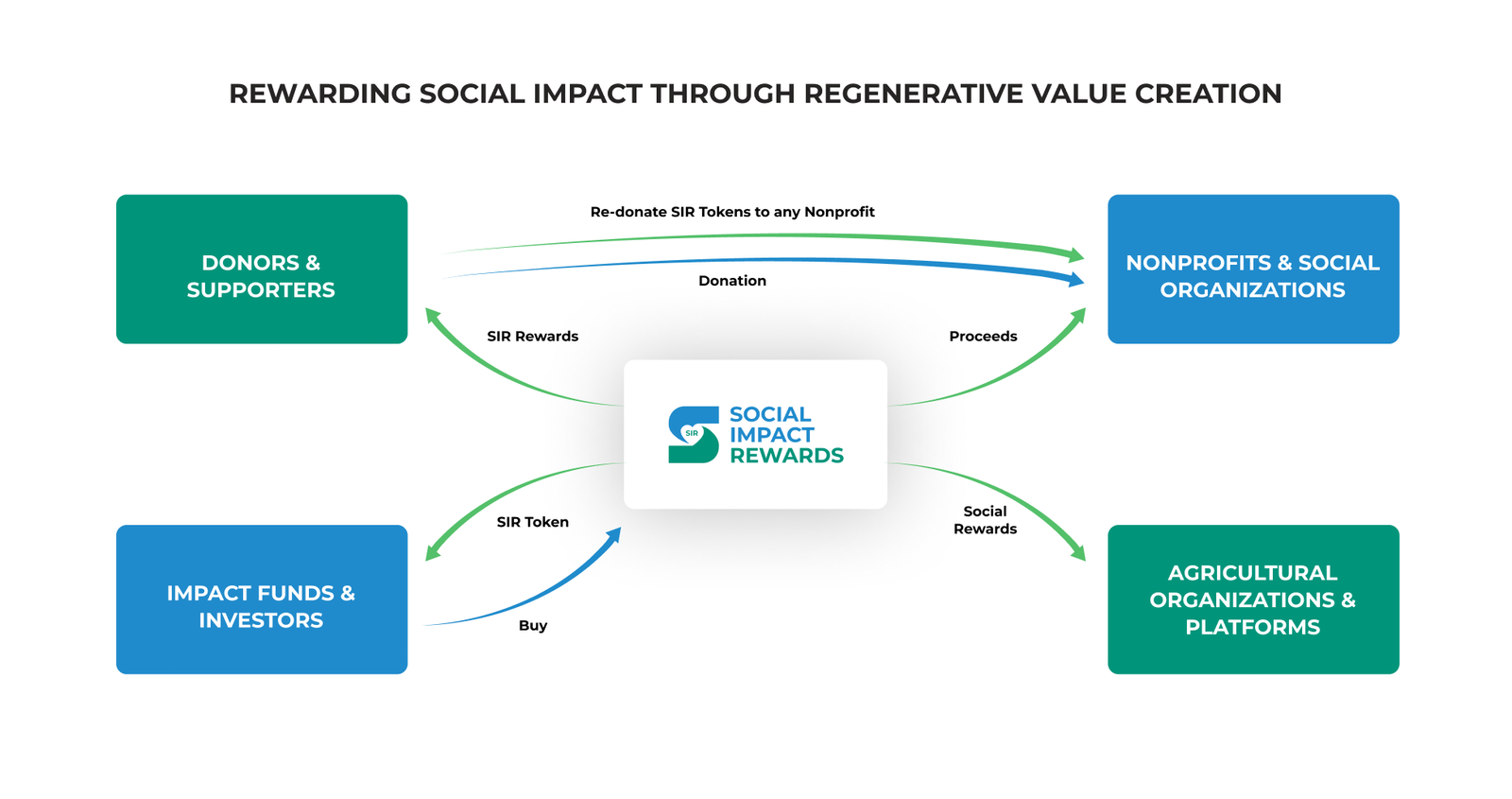
By integrating the sir.farm model, we are fundamentally changing how farmer contributions are valued. Current market prices often fail to account for the true cost of production and the environmental impact of farming. Our partnership addresses this by accounting for:
Negative Externalities: Costs typically excluded from the market price, such as environmental degradation or social inequality.
Positive Externalities: The hidden benefits farmers provide, including carbon sequestration, soil regeneration, and biodiversity preservation.
Through this model, these factors are “internalized,” ensuring that farmers are rewarded for the total value they bring to the world, not just the raw weight of their crop.
SIR Farm partner Abeya is a global digital infrastructure company that connects over 180,000 cocoa farmers and cooperatives with buyers through traceable, regenerative trade. Its platform combines farm‑level data, logistics, and finance to help chocolate brands source high‑quality cocoa while improving farmer incomes and soil health.
Contribution
Provides a SaaS platform and field tools for traceable sourcing, regenerative practice verification, and smallholder data collection, plus integrated logistics and financing options. Abeya contributes pipeline access to farmer groups, impact data to inform SIR rewards, and technical expertise on regenerative cocoa systems.
Focus Areas
Regenerative cocoa production, smallholder livelihoods and income stability, climate‑smart agriculture, deforestation‑free supply chains, and transparent, ethical commodity sourcing.
Geographical Location
Primary focus in Ghana and Côte d’Ivoire with expansion potential to other cocoa‑producing regions, while serving chocolate and ingredient buyers in Europe and North America.
Alignment with SIR
Abeya’s mission to make regenerative sourcing the default in cocoa aligns strongly with Social Impact Rewards’ emphasis on outcome‑based funding and traceable impact. By linking verifiable on‑farm improvements to better market access and potential rewards, this partnership shows how digital infrastructure can unlock fairer, climate‑positive commodity trade.